Managing up is already one of the least-discussed skills in professional development. Most training focuses on managing teams downward — setting goals, giving feedback, delegating well. But managing the relationship with your own manager? That’s usually left to instinct.
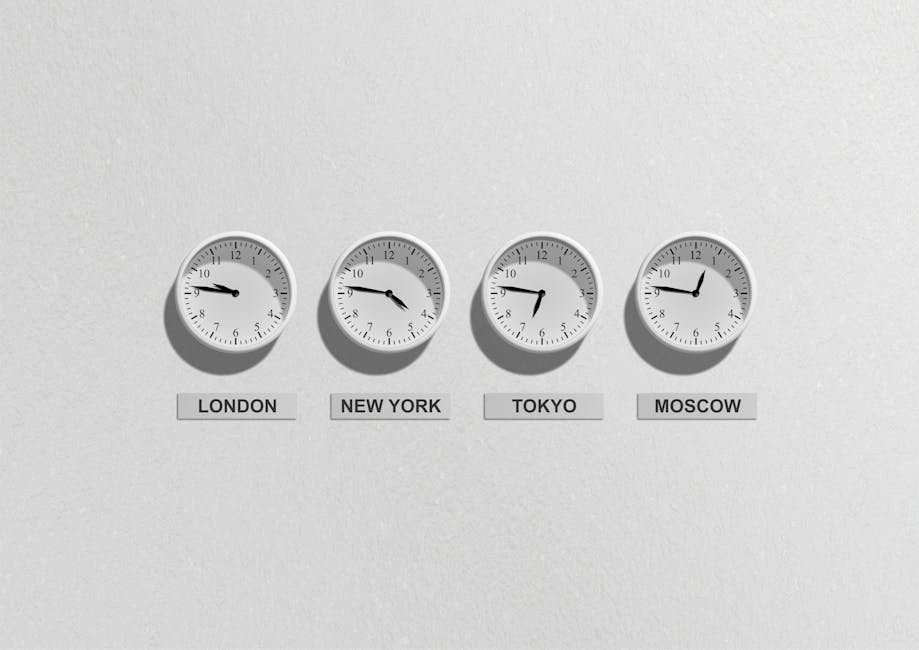
Add a significant time zone gap to the equation and instinct alone won’t cut it. Distributed teams with time zone misalignment face a specific set of relationship dynamics that require deliberate strategy — not just good intentions.
1. Why Time Zone Gaps Create Relationship Risk
Out of sight is not automatically out of mind — but it takes real effort to prevent it from becoming that way. When your manager is in a different time zone, the informal touchpoints that build workplace relationships disappear almost entirely. No hallway conversations. No reading body language in real-time. No spontaneous updates that signal engagement and initiative.
What fills that gap determines whether your remote career thrives or stagnates. Managers — even great ones — are humans subject to availability bias. The person they hear from regularly feels more present, more engaged, more promotable. The person who only surfaces during scheduled calls can start to feel like a contractor rather than a core team member.
This isn’t fair. But it is real, and pretending otherwise is costly.
2. Visibility Is a Strategy, Not Self-Promotion
Many professionals resist the idea of actively managing their visibility because it feels performative. It can feel like bragging, or like playing political games. That resistance is worth examining honestly.
There’s a meaningful difference between performing work you haven’t done and communicating work you have. The latter isn’t self-promotion — it’s providing your manager with the information they need to advocate for you accurately. When your manager’s day starts eight hours before yours, they’re making decisions, forming impressions, and fielding questions about your work without access to your real-time input.
Your job is to fill that information gap proactively. Not excessively, not artificially — but deliberately and consistently.
3. The Weekly Update That Changes Everything
The single highest-leverage habit for managing up across time zones is a well-crafted weekly written update. Not a status report. Not a task list. A genuine communication that tells your manager three things: what you accomplished, what’s in progress, and what — if anything — you need from them.
This update serves multiple functions simultaneously. It gives your manager visibility into your work without requiring a meeting. It documents your contributions over time — invaluable during performance reviews. It surfaces blockers early, before they become emergencies. And it signals that you’re organized, self-directed, and aware of how your work fits into the bigger picture.
Keep it short. Five to seven bullet points is ideal. Long enough to be informative, brief enough to actually be read. The format matters less than the consistency — once a week, every week, without being asked.
4. Create Overlap Windows That Work for Both Sides
Time zone misalignment doesn’t have to mean zero real-time interaction. It does mean that real-time interaction needs to be scheduled thoughtfully rather than assumed.
Identify the hours that overlap between your working day and your manager’s, even if that window is small. Two hours of genuine overlap can be enough to maintain a healthy relationship if those two hours are used well. Reserve them for your most important synchronous communication — not routine updates that could be async.
Additionally, be explicit with your manager about your working hours and when you’re reachable. Ambiguity about availability creates low-grade anxiety that subtly damages trust. When your manager knows exactly when you’re online and what to expect, they can plan around it rather than wondering.
5. Understand What Your Manager Actually Cares About
Managing up effectively requires knowing what success looks like from your manager’s perspective — not just your own. These are sometimes different things, and the gap between them is where career misalignment quietly builds.
Have a direct conversation about your manager’s priorities. What are the two or three things that, if you did them exceptionally well, would make their job significantly easier? What metrics do they get measured on that you directly influence? What do they worry about that you could address proactively?
These questions sound simple, but most employees never ask them directly. The answers fundamentally change how you prioritize your time. Furthermore, the act of asking signals a level of strategic awareness that distinguishes good employees from exceptional ones.
6. Over-Document Your Decision-Making
In co-located environments, a manager can observe your reasoning in real time. They see you whiteboard a problem. They overhear how you handle a difficult conversation. They form impressions of your judgment through direct observation.
Remote managers, especially across time zones, don’t have those windows. They only see the outcomes. Unless you give them visibility into your process, they’re forming assessments based on incomplete information — a situation that rarely favors the employee.
The solution is to make your decision-making visible through documentation. When you make a significant call, write a brief note explaining your reasoning. When you solve a problem, share how you approached it. When you change direction, explain why. This isn’t about seeking approval — it’s about giving your manager the material they need to trust your judgment confidently.
7. Ask for Feedback Before You Need It
Most feedback conversations happen reactively — after something goes wrong, during a formal review, or when a concern has been building long enough to become unavoidable. By that point, the feedback is harder to receive and the relationship has often absorbed unnecessary friction.
Proactively soliciting feedback — “how do you think I handled that project?” or “is there anything I could do differently in how I communicate with you?” — changes the dynamic entirely. It positions you as coachable, self-aware, and genuinely invested in improvement.
For remote workers managing across time zones, this habit has an additional benefit: it creates regular touchpoints that keep the relationship warm and current rather than transactional and distant.
Conclusion
Managing up across time zones isn’t about working harder or being more visible for visibility’s sake. It’s about building a relationship that functions well despite the structural friction of distance and asynchrony. The remote professionals who do this intentionally don’t just survive the time zone gap — they turn it into proof of their autonomy, initiative, and professionalism.
Last modified: April 18, 2026